
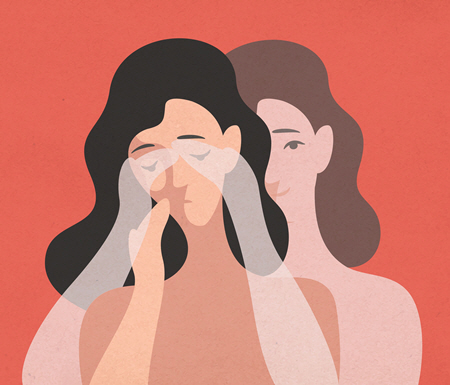
Fear can do a lot of things. It can stop us in our tracks. It can also be a catalyst for great change in our lives.
I’ve always been good at showing up, but not really on following through. There are goals and objectives that I would set off on accomplishing. I would begin by looking into whatever it was that interested me and take the next step in practicing it. Examples include dance, photography, guitar, and learning Spanish, to name a few. But then, fear would kick in. I had voices in my head telling me that I couldn’t do the thing I wanted, that it would turn out badly, that I would be laughed at and run out of town. Once these voices took over, I often felt forced to leave what I was pursuing, shrink back into myself, and throw a pity party. This always made me feel like I was really different from the crowd. But I’m realizing that other people have gone through this, too. That’s partly what inspired me to offer therapy to other people who identify as The Black Sheep, too.
Deciding to make a change
Over the course of many years, I’ve gathered information on this process. I have a lot of unrealized dreams, goals and interests in my wake. While I offer forgiveness to my younger self for being scared, I don’t want to continue on this path anymore. I’ve realized that I would rather live a life that I am excited about, even if it is scary, than a boring life that is safe. Because, even if it feels safe, not living my truth out loud has actually caused a lot of distrust and unsafe feelings within my own self. I see this in my clients all the time, too.
Mental health is so important. The words we think about ourselves and our lives in our own mind are paramount to our functioning in every day life. There is great power in using the word to determine the outcomes we will get. The very nature of naming this gives us choices in choosing which facts we allow to define our lives.
When we give this power over to fear, we don’t give ourselves a chance. Fear is so easy to support. We find evidence everywhere that being afraid is the smart and rational thing to do. Stories of failure, tragedy, and anguish convince us that getting outside of our comfort zone is too risky. So we stay small. But, our desires don’t go away. They keep burning within. This is when our mental health suffers- we have two incongruent things happening at one time. And one has to win. Often, it’s fear, because at least we can stay comfortable instead of taking a risk.
Brain science
And, this really isn’t any fault of our own. Our nervous system is wired to avoid pain, suffering, and anything unsafe. Fear kept our ancestors alive. Avoiding things that scare us is in our DNA.
Thankfully, modern scientists have learned that our brains have the ability to build new pathways by challenging old beliefs and approaches to life. This is called neuroplasticity. It is possible to tend to your mental health, put yourself through challenges that might feel unsafe but are not life threatening, and rewire your brain to choose more productive and desirable thought processes with beneficial outcomes. It takes some repetition and know how, but once you get started, it starts to take care of itself. Plus, when you see results, you want to keep going!
I hope that this story makes space for you to entertain the idea of going after what you want. It’s your life. You get to decide what you want, and how to succeed in obtaining it.
