
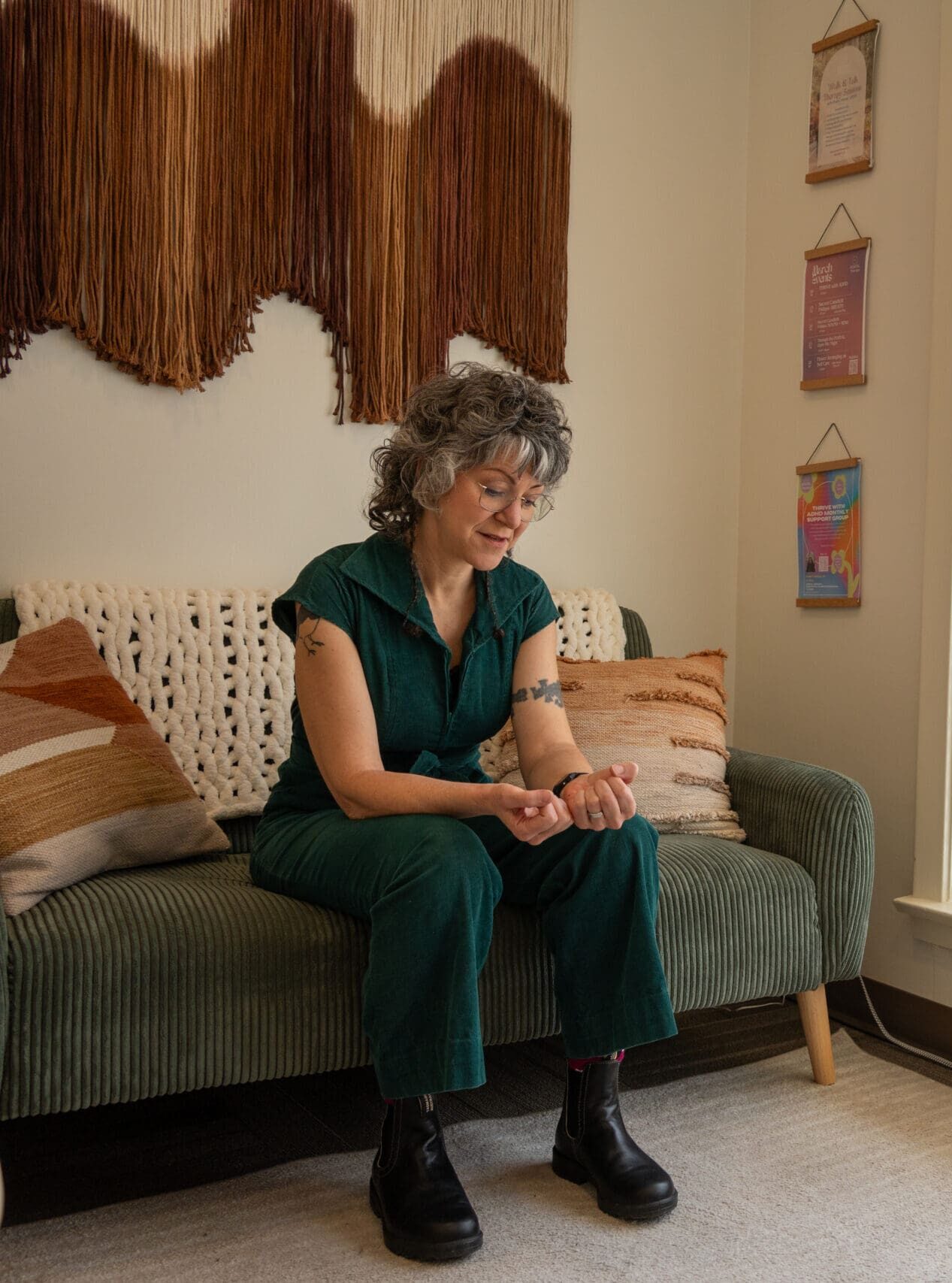
Category: Blog

  • Is Depression a Choice? What Trauma, Brain Science, and Therapy Tell Us

    Is Depression a Choice? What Trauma, Brain Science, and Therapy Tell Us

    If you’ve ever struggled with depression, you’ve probably heard some version of these statements:

    “Just think more positively.”

    “You have so much to be grateful for.”

    “You just have to choose happiness.”

    While these comments are often well intentioned, they can leave people feeling ashamed, misunderstood, and even more alone.

    So let’s answer the question directly.

    No. Depression is not a choice.

    However, choosing how you respond to depression, including reaching out for support, engaging in treatment, and practicing self compassion, is something that can gradually become possible with healing.

    As a trauma therapist, I often remind clients that depression is not a character flaw. It is often the nervous system’s way of communicating that something deeper needs attention.

    Depression Is More Than Feeling Sad

    Everyone feels sad from time to time. Sadness is a normal human emotion that usually has a clear cause and gradually improves.

    If you’re my therapy client, you’ve heard me say “life is 50% positive, 50% negative”. That includes sadness.

    Depression is different.

    Major depressive disorder affects the way a person thinks, feels, sleeps, eats, moves, and experiences the world. It can make everyday tasks feel overwhelming. Getting out of bed, taking a shower, answering a text message, or making dinner may feel nearly impossible.

    Research has consistently shown that depression involves changes in brain function, stress hormones, inflammation, genetics, and environmental experiences. It is not simply a matter of having the “right attitude.”

    The Brain Changes During Depression

    Modern neuroscience has shown that depression affects several areas of the brain involved in emotion regulation, motivation, memory, and decision making.

    People living with depression often experience:

    • Reduced motivation
    • Difficulty concentrating
    • Increased negative thinking
    • Changes in sleep and appetite
    • Physical fatigue
    • Feelings of hopelessness

    These symptoms are not signs of laziness. They reflect real biological changes occurring in the brain and nervous system.

    Trauma and Depression Are Closely Connected

    Many people I work with do not realize that their depression may actually be rooted in unresolved trauma.

    Trauma does not always look like a single catastrophic event.

    It may include:

    • Childhood emotional neglect
    • Emotional abuse
    • Medical trauma
    • Loss of a loved one
    • Divorce
    • Chronic stress
    • Toxic relationships
    • Growing up feeling unsafe or unseen

    This is why I always complete the Adverse Childhood Experiences questionnaire in my Intake sessions.

    When our nervous system spends years in survival mode, it eventually runs out of energy.

    Sometimes anxiety comes first, or the nervous system simply shuts down.

    This shutdown can look very similar to depression.

    Clients often tell me:

    “I don’t even know who I am anymore.”

    “I feel numb.”

    “I don’t enjoy anything.”

    “I feel like I’m watching my life instead of living it.”

    These experiences are common responses to chronic stress and trauma.

    If Depression Is Not a Choice, Why Does It Feel Like I Should Be Able to Snap Out of It?

    Many people blame themselves because depression affects motivation.

    Imagine trying to drive a car with an empty gas tank.

    No matter how badly you want to move forward, the fuel simply is not there.

    Depression works similarly.

    The parts of your brain responsible for motivation and reward become less active, making even small tasks feel enormous.

    This is why telling someone to “just choose happiness” can actually increase feelings of shame.

    Healing Does Involve Choices

    Although depression itself is not a choice, healing often involves many small choices that become possible with support.

    Those choices may include:

    • Scheduling a therapy appointment ❤️‍🩹
    • Taking prescribed medication if appropriate
    • Going outside for ten minutes
    • Eating one nourishing meal
    • Reaching out to someone you trust
    • Practicing self compassion instead of self criticism
    • Learning to regulate your nervous system

    None of these choices cure depression overnight.

    Instead, they create opportunities for the brain and body to slowly recover.

    How Therapy Can Help

    Therapy is not about convincing you to “look on the bright side.”

    Effective trauma informed therapy helps you understand why your nervous system developed the way it did.

    At PORTAL Therapy, I often integrate approaches such as:

    • EMDR to process traumatic memories
    • Mindfulness practices
    • Somatic techniques that reconnect you with your body
    • NeurOptimal® neurofeedback to support nervous system flexibility
    • Reiki and sound healing for clients who find holistic approaches meaningful alongside psychotherapy

    Healing is rarely about forcing yourself to feel happy.

    It is about creating enough safety within your mind and body that joy naturally has room to return.

    You Are Not Weak

    Depression often tells people they are broken.

    That is one of its biggest lies.

    Your brain is adaptable, your nervous system can heal.

    Life is happening right now, as your story is still unfolding.

    You do not have to carry depression alone.

    Sometimes asking for help is the strongest decision you can make.

    Final Thoughts

    So, is depression a choice?

    No.

    Depression is a complex medical and psychological condition influenced by biology, life experiences, trauma, and environment.

    What is a choice is giving yourself permission to seek support.

    Healing does not happen because you become stronger than depression.

    Healing happens because you stop fighting it alone.


    Scholarly References

    Cuijpers, P., Karyotaki, E., Reijnders, M., & Purgato, M. (2020). Psychotherapies for depression: A network meta analysis. World Psychiatry, 19(1), 92-107.

    Malhi, G. S., & Mann, J. J. (2018). Depression. The Lancet, 392(10161), 2299-2312.

    Teicher, M. H., & Samson, J. A. (2016). Annual Research Review: Enduring neurobiological effects of childhood abuse and neglect. Journal of Child Psychology and Psychiatry, 57(3), 241-266.

  • Trauma-Informed Psychotherapy and NeurOptimal® Neurofeedback: Why I Use Both

    Trauma-Informed Psychotherapy and NeurOptimal® Neurofeedback: Why I Use Both

     Trauma-Informed Psychotherapy and NeurOptimal® Neurofeedback: Why I Use Both

    As a therapist, I have always been fascinated by the question: Why do some people understand their trauma intellectually, yet still feel trapped by it emotionally and physically?

    Many of the clients who come to my practice are incredibly insightful. They have read the books, listened to the podcasts, practiced mindfulness, and spent years trying to heal. My clients know where their anxiety comes from, understand their attachment patterns and can explain exactly why they react the way they do.

    And yet, their nervous system is still stuck in survival mode.

    This is where I have found the combination of trauma-informed psychotherapy and NeurOptimal® neurofeedback to be incredibly powerful.

    Trauma Lives in the Mind and the Body

    Trauma is not simply a memory. It is an experience that changes the way the nervous system responds to the world.

    When we experience overwhelming stress, our brains and bodies adapt to help us survive. Hypervigilance, anxiety, emotional numbness, dissociation, people-pleasing, perfectionism, and difficulty trusting others often begin as intelligent survival strategies.

    The problem is that these adaptations can remain long after the danger has passed.

    In therapy, we can explore the origins of these patterns. We can process painful experiences, develop healthier coping skills, and create new narratives about ourselves. This work is essential.

    But sometimes insight alone is not enough.

    Sometimes a client knows they are safe, but their nervous system does not.

    What NeurOptimal® Adds to the Healing Process

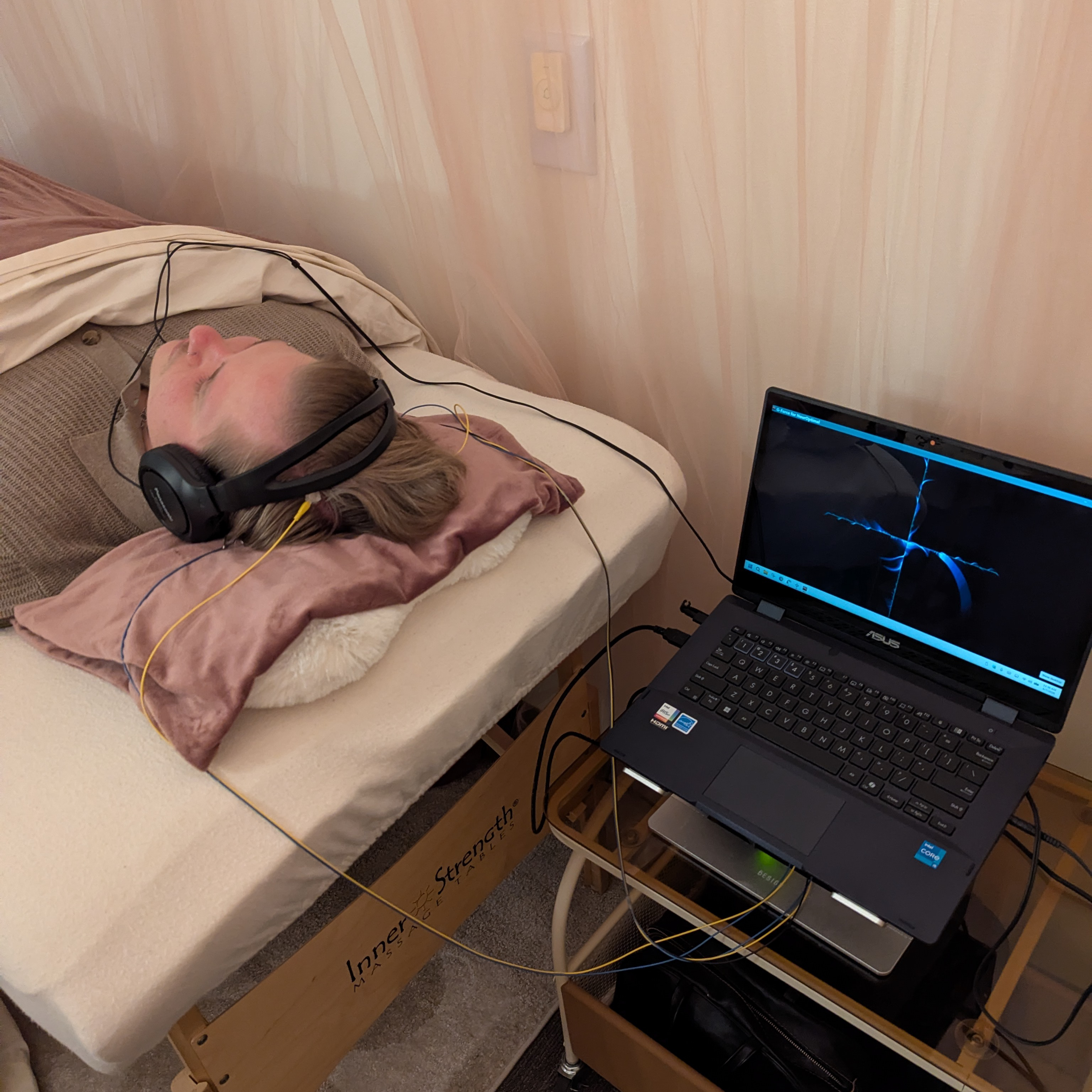
    NeurOptimal® is a form of neurofeedback that provides real-time information to the brain about its own activity.

    Unlike traditional neurofeedback systems that target specific brainwave frequencies, NeurOptimal® works as a dynamical neurofeedback system.

    During a session, sensors are placed on the scalp and ears to monitor electrical activity in the brain. The client simply relaxes and listens to music while the system provides moment-to-moment feedback to the brain.

    I often explain it this way: NeurOptimal® is like holding up a mirror to the brain.

    The brain receives information about its own activity and is given opportunities to make adjustments if it chooses. There is no effort required. There is nothing to force or achieve.

    Many clients report feeling calmer, sleeping better, thinking more clearly, and feeling less reactive after a series of sessions. While every person’s experience is different, the goal is not symptom management alone. The goal is improved flexibility, resilience, and self-regulation.

    Why I Combine Therapy and Neurofeedback

    One of the challenges of trauma treatment is that healing is rarely linear.

    A client may be ready to process difficult memories one week and feel completely overwhelmed the next. Their nervous system may become activated before they even understand what triggered it.

    When I combine psychotherapy with NeurOptimal®, I often see clients become more capable of staying present with difficult emotions without becoming flooded by them.

    Therapy helps clients understand their experiences.

    NeurOptimal® may help create the conditions for greater nervous system flexibility.

    Together, they can support both insight and regulation.

    This combination can be especially helpful for people who experience:

    • Anxiety
    • Chronic stress
    • Burnout
    • Emotional overwhelm
    • Trauma and PTSD symptoms
    • Difficulty sleeping
    • Difficulty concentrating
    • Nervous system dysregulation
    • Feeling “stuck” despite years of personal growth work

    My Approach: Whole-Person Healing

    My path to becoming a therapist was shaped by my own experiences with grief, trauma, caregiving, loss, and healing. Because of that, I have never believed healing happens only through talking.

    In addition to being a Licensed Clinical Social Worker, I am also a Reiki Master Teacher and incorporate holistic approaches that honor the connection between mind, body, and spirit.

    When appropriate, I may integrate mindfulness, breathwork, somatic awareness, EMDR, Reiki, sound healing, or NeurOptimal® neurofeedback into a client’s treatment plan.

    I do not believe there is one perfect path to healing.

    I believe healing happens when enough safety is created for the nervous system to begin doing what it was designed to do: adapt, recover, and move toward balance.

    What the Research Says

    Research on neurofeedback and trauma continues to evolve, but several studies have shown promising results.

    A randomized controlled trial conducted by van der Kolk and colleagues found that neurofeedback significantly reduced PTSD symptoms and improved affect regulation among individuals with chronic trauma histories.

    A systematic review examining neurofeedback for PTSD concluded that neurofeedback shows promise as an intervention for reducing trauma symptoms, particularly for individuals who have not responded fully to traditional treatments.

    Additional research has demonstrated significant reductions in PTSD and anxiety symptoms following neurofeedback interventions, suggesting that neurofeedback may help support changes in neural networks associated with trauma responses.

    While NeurOptimal® itself is not designed to diagnose or treat any medical or mental health condition, many clinicians and clients find it to be a valuable complement to psychotherapy and other wellness practices.

    Healing Does Not Have to Be Limited to One Modality

    One of the most important things I have learned in my years as a therapist is that healing is rarely about finding the “right” technique.

    Healing is about creating the right conditions.

    Sometimes those conditions involve talking through painful experiences, reconnecting with the body, or learning how to regulate the nervous system in new ways.

    For many clients, the combination of trauma-informed psychotherapy and NeurOptimal® creates a powerful opportunity to do both.

    If you have been doing the work but still feel stuck, it may be worth exploring an approach that supports not only your thoughts and emotions, but also the remarkable healing capacity of your brain and nervous system.

    Schedule a call with Elise today to get started.


    Scholarly References

    1. Van der Kolk, B. A., et al. (2016). A Randomized Controlled Study of Neurofeedback for Chronic PTSD. PLOS ONE.
    2. Panisch, L. S., & Hai, A. H. (2020). The Effectiveness of Using Neurofeedback in the Treatment of Post-Traumatic Stress Disorder: A Systematic Review. Trauma, Violence, & Abuse.
    3. Bell, A. N., Moss, D., & Kallmeyer, R. (2019). Healing the Neurophysiological Roots of Trauma: A Controlled Study Examining LORETA Z-Score Neurofeedback and HRV Biofeedback for Chronic PTSD. NeuroRegulation.
  • Main Character Energy Isn’t Enough: It’s Time to Build Your Lore

    Main Character Energy Isn’t Enough: It’s Time to Build Your Lore

    Main Character Energy Isn’t Enough: It’s Time to Build Your Lore

    If you’ve spent any time on social media lately, you’ve probably heard people talk about having “main character energy.” While the phrase can be playful, it points to something deeper: our desire to live meaningful, authentic lives.

    But here’s the thing.

    Main characters are only interesting because they have lore.

    Lore is the backstory. It’s the experiences, challenges, relationships, heartbreaks, victories, mistakes, lessons, and transformations that shape who someone becomes. It’s what gives a character depth.

    The same is true for you.

    What Is Your Lore?

    Your lore is the story behind who you are today.

    It’s the childhood experiences that taught you what love looks like. It’s the friendship that changed your life. The breakup that broke your heart. The move across the country. The loss you survived. The risks you took. The moments you chose yourself.

    Your lore is not just what happened to you.

    It’s how those experiences shaped your beliefs, behaviors, relationships, and sense of self.

    Many people come to therapy feeling disconnected, lost, or stuck because they’ve spent years trying to outrun parts of their story. They may focus only on what’s wrong right now without understanding how they got here.

    The truth is that your past doesn’t define you, but it does influence you.

    Understanding your lore helps you make sense of your present.

    How to Build Your Lore

    Building your lore doesn’t mean creating drama or collecting hardships.

    It means actively participating in your own life.

    Here are a few ways to start:

    Say Yes to New Experiences

    Growth rarely happens inside your comfort zone. Take the class. Travel somewhere new. Join the group. Have the conversation you’ve been avoiding.

    New experiences become future chapters in your story.

    Learn From Challenges

    Every obstacle contains information.

    Instead of asking, “Why is this happening to me?” try asking, “What is this teaching me?”

    Your struggles often become the foundation of your wisdom.

    Get Curious About Yourself

    Pay attention to your patterns.

    What triggers you? What energizes you? What relationships feel safe? What dreams keep resurfacing?

    Self-awareness adds depth to your story.

    Stop Waiting to Become Someone Else

    Many people spend years believing they’ll finally start living once they lose weight, find a partner, make more money, heal completely, or overcome anxiety.

    Your life is happening right now.

    Your lore is being written every day.

    How Therapy Helps You Understand and Build Your Lore

    Therapy offers something many of us rarely get in daily life: space to reflect.

    When you’re constantly moving from one responsibility to the next, it’s easy to lose sight of your own story. Therapy creates an opportunity to slow down and connect the dots.

    You begin to understand:

    • Where your beliefs came from
    • Why certain patterns keep repeating
    • How past experiences still influence current decisions
    • What parts of yourself you’ve abandoned to survive
    • What kind of future you’re actually trying to create

    As you gain insight, you become more intentional about the next chapters of your life.

    Therapy isn’t about rewriting your past.

    It’s about understanding it well enough that it no longer writes your future for you.

    Your Story Is Still Being Written

    Some people come to therapy believing they are broken.

    Others come because they feel numb, overwhelmed, anxious, disconnected, or exhausted.

    What they often discover is that they aren’t broken at all.

    They simply haven’t had the opportunity to fully understand their story.

    Your experiences matter.

    Your resilience matters.

    Your growth matters.

    And the chapters ahead matter too.

    If you’re ready to better understand your lore, heal the parts of your story that still hurt, and intentionally create what comes next, therapy can help.

    The most interesting stories aren’t perfect.

    They’re honest, courageous, and deeply human.

    Work with PORTAL

    If you’re interested in building your lore and want the help of a therapist, book a discovery call with one of us here.